Shrovetide Football: Ashbourne's Centuries-Old Pre-Lenten Ritual
Each year, as the late winter chill still bites across the United Kingdom, the quaint market town of Ashbourne in Derbyshire undergoes a remarkable transformation. While most communities mark Shrove Tuesday with quiet church services or delicious pancake feasts, Ashbourne erupts into one of England's most ancient, chaotic, and utterly compelling folk rituals:
Shrovetide Football. This isn't just a game; it's a centuries-old pre-Lenten observance, a vibrant spectacle that turns the entire town into a sprawling, improvised playing field, binding generations through shared passion and a unique sense of identity.
Often dubbed "mob football" for its mass participation and free-form nature, Royal Shrovetide Football (it gained its "Royal" designation through patronage) stands in stark contrast to the highly codified sports of today. It's a primal, physical contest deeply rooted in the traditions that once heralded the onset of Lent – a final burst of revelry before the solemnity begins. For those who witness it, and even more so for those who participate, it's an unforgettable experience, a living piece of history played out in the very streets of Ashbourne.
The Unfolding Drama: Rules, Teams, and the Pursuit of Glory
At its core,
Shrovetide Football is beautifully simple yet incredibly complex in execution. The objective is for one of two teams to propel a single ball towards their designated goal. However, almost every other aspect defies modern sporting norms.
*
The Teams: Up'ards and Down'ards
The rivalry isn't based on skill or club affiliation, but on geography. Ashbourne residents are divided by the River Henmore, which flows through the town. Those born north of the river are the
Up'ards, and those born south are the
Down'ards. This intrinsic, lifelong affiliation fuels a friendly yet fierce competition that transcends the game itself.
*
The Ball: A Prized Possession
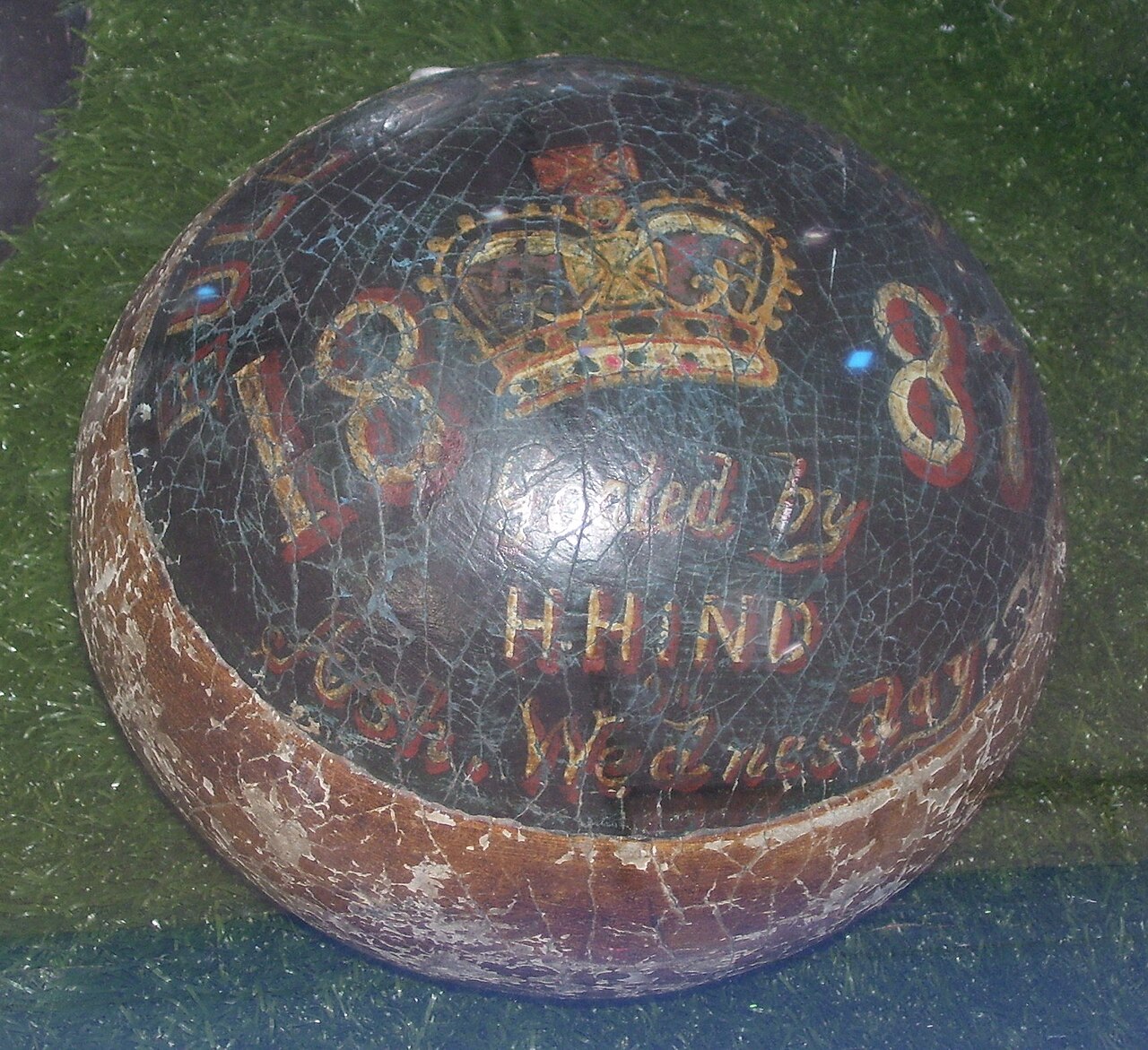
Unlike a standard football, the Shrovetide ball is a hand-stitched, cork-filled leather sphere, often slightly larger and much more robust. Each year's ball is uniquely painted, often by a local artist, and becomes a treasured trophy for the individual who successfully goals it. This personal connection adds another layer of emotional investment to the contest.
*
The Goals: Miles Apart
The "goals" are not nets, but two stone mill markers, three miles apart, historically marking the sites of old mills: Sturston Mill for the Up'ards and Clifton Mill for the Down'ards. To score, a team must "goal" the ball by striking it three times against their respective marker. This vast distance ensures the game moves throughout the town and surrounding countryside, testing stamina and strategic thinking.
*
The "Rules" (or lack thereof)
This is where
Shrovetide Football truly departs from convention. The game officially begins each afternoon at 2 p.m. with the ceremonial "turning up" of the ball from a central plinth in Shaw Croft. Play then continues for eight hours, until 10 p.m. (unless a goal is scored earlier). The ball can be kicked, carried, or thrown. The playing field is, quite literally, the entire town – its streets, alleys, fields, and even sometimes through buildings. The cardinal rules are remarkably few: no murder or manslaughter, no playing in churchyards or cemeteries, and no hiding the ball in bags or vehicles. Beyond that, it's a test of strength, endurance, and communal effort. For a deeper dive into the mechanics, you might find
Royal Shrovetide Football: Rules, Teams, and Chaotic Gameplay particularly enlightening.
The result is a rolling scrum, a dense mass of bodies pushing and pulling, the ball often hidden within. The "hug," as it's known, can shift direction without warning, sweeping spectators along, and transforming familiar urban landscapes into a dynamic, unpredictable arena.
A Legacy Forged in Time: The Enduring History of Shrovetide Football
The roots of
Shrovetide Football stretch back centuries, evolving from medieval Shrovetide customs common across England. These were days of communal celebration and athletic contests, a final indulgence before the austerity of Lent. While many similar "mob football" games faded over time, Ashbourne's tradition endured.
The earliest documented reference to the game in Ashbourne dates back to 1683, but local lore suggests its origins are far older, possibly even predating the Norman Conquest. Over the centuries, it has adapted and persisted, even surviving attempts by authorities to ban it, most notably in the 19th century when such games were seen as disruptive. Its resilience is a powerful testament to the community's fierce pride in its unique heritage.
The "Royal" prefix was officially adopted after various members of the Royal Family demonstrated their patronage, most famously when a ball was presented to Princess Mary in 1928, and later when Prince Charles (now King Charles III) turned up the ball in 2003. This royal endorsement further cemented the game's status as a significant cultural event, linking Ashbourne's local identity to a broader national narrative of unique traditions. This rich history isn't just a matter of record; it's a living, breathing part of the town's identity, passed down informally through generations, connecting present-day players to an unbroken line of ancestors who also chased the ball through Ashbourne's streets.
Navigating the Fray: Tips for Spectators and Participants
Experiencing
Shrovetide Football is unlike any other sporting event. It's a blend of festival, athletic challenge, and historical reenactment. To truly appreciate it, a little preparation goes a long way.
For Spectators:
- Dress Appropriately: Wear old clothes and sturdy, waterproof footwear. You will likely get muddy, wet, and jostled. Leave your best attire at home!
- Arrive Early: The "turning up" ceremony at 2 p.m. at Shaw Croft is iconic. Arrive well in advance to secure a good spot and soak in the atmosphere.
- Be Aware: The game moves rapidly and unpredictably. Keep an eye on the "hug" (the scrum around the ball) and be prepared to move out of its way. Stay clear of shop windows and car parks.
- Choose Your Vantage Point: Elevated positions (if accessible and safe) can offer a broader view, but following the action on foot is part of the thrill. You’ll spend hours walking, so be ready.
- Respect Local Businesses: Many shops board up their windows for protection, but local pubs and eateries welcome spectators. Support them!
- Hydrate and Fuel: It's a long day. Bring water and snacks, or plan to grab food from local vendors.
- Embrace the Chaos: This isn't a passive spectator sport. You might find yourself swept along, a temporary, unofficial participant in the flow. Enjoy the energy!
For Participants (or those tempted to join the hug):
- Understand the Risks: While serious injuries are rare, bumps, bruises, and scrapes are common. It's a physical game.
- Stick with Locals: If you're not from Ashbourne, try to find a local who can guide you on the unspoken rules and safe practices within the hug.
- Know Your Limits: The game is physically demanding. Don't overexert yourself.
- Stay Hydrated: Crucial for endurance during the long hours of play.
For more insights into what to expect and how to navigate the event, read
Unraveling Royal Shrovetide Football: England's Wildest Tradition.
Beyond the Game: Community, Identity, and the Heartbeat of Ashbourne
More than just a game,
Shrovetide Football is the very pulse of Ashbourne. It's a defining element of community life, linking present-day participants with a long history of Shrovetide observance and affirming a shared local identity. The rivalry between Up'ards and Down'ards, though intense on game days, is largely good-natured, serving as a powerful social glue that binds residents together.
The ritual acts as an annual affirmation of Ashbourne's unique character. In an increasingly globalized and homogenized world, such local traditions offer a powerful anchor, a connection to heritage that fosters a profound sense of belonging. It's a time when old friendships are renewed, new bonds are forged, and the entire town collectively steps out of the ordinary, embracing a singular experience that sets it apart. The preparations for the event – from businesses boarding up to families planning their strategies – contribute significantly to the local economy and foster a collective anticipation that builds throughout the winter months.
Conclusion
Ashbourne's
Shrovetide Football is a breathtaking spectacle, a testament to the enduring power of tradition and community spirit. Far from being a mere historical curiosity, it remains a vibrant, chaotic, and deeply cherished pre-Lenten ritual that pulses with life, energy, and a profound sense of identity. It's a celebration of heritage, a formidable physical challenge, and a unique social event that transforms a quiet Derbyshire town into one of England's most exciting arenas. If you ever seek a truly authentic slice of English heritage, steeped in history and brimming with unparalleled passion, Ashbourne on Shrove Tuesday and Ash Wednesday offers an experience you won't soon forget.