Unraveling Royal Shrovetide Football: England's Wildest Tradition
While much of the United Kingdom observes Shrove Tuesday and Ash Wednesday with quieter traditions like pancake flipping and solemn reflection, the picturesque market town of Ashbourne in Derbyshire explodes into a magnificent, unparalleled spectacle. Here, late winter is heralded not by gentle custom, but by the thundering "hug" of
Royal Shrovetide Football – an ancient, chaotic, and utterly captivating game that transforms the entire town into a sprawling, improvised arena. Often dubbed England’s wildest tradition, this isn't football as the world knows it; it’s a centuries-old folk ritual, a testament to community spirit, and an adrenaline-fueled physical contest unlike any other.
Imagine a game where the pitch spans three miles, where thousands of residents become players, and where the rules are as much about informal understanding as they are about prohibition. This is the essence of
Shrovetide Football, an event that transcends mere sport to become a defining thread in Ashbourne’s local identity, weaving together generations through shared endeavour and fervent pride.
The Heart of the Chaos: What is Royal Shrovetide Football?
At its core,
Royal Shrovetide Football appears deceptively simple: two teams, the Up'ards and the Down'ards, vie to propel a single ball towards their respective goals. Yet, this simplicity quickly unravels into an extraordinary display of mass participation and strategic mayhem. The "pitch" is the entire town of Ashbourne itself, with play spilling through streets, alleys, fields, and even the River Henmore, which famously divides the two teams.
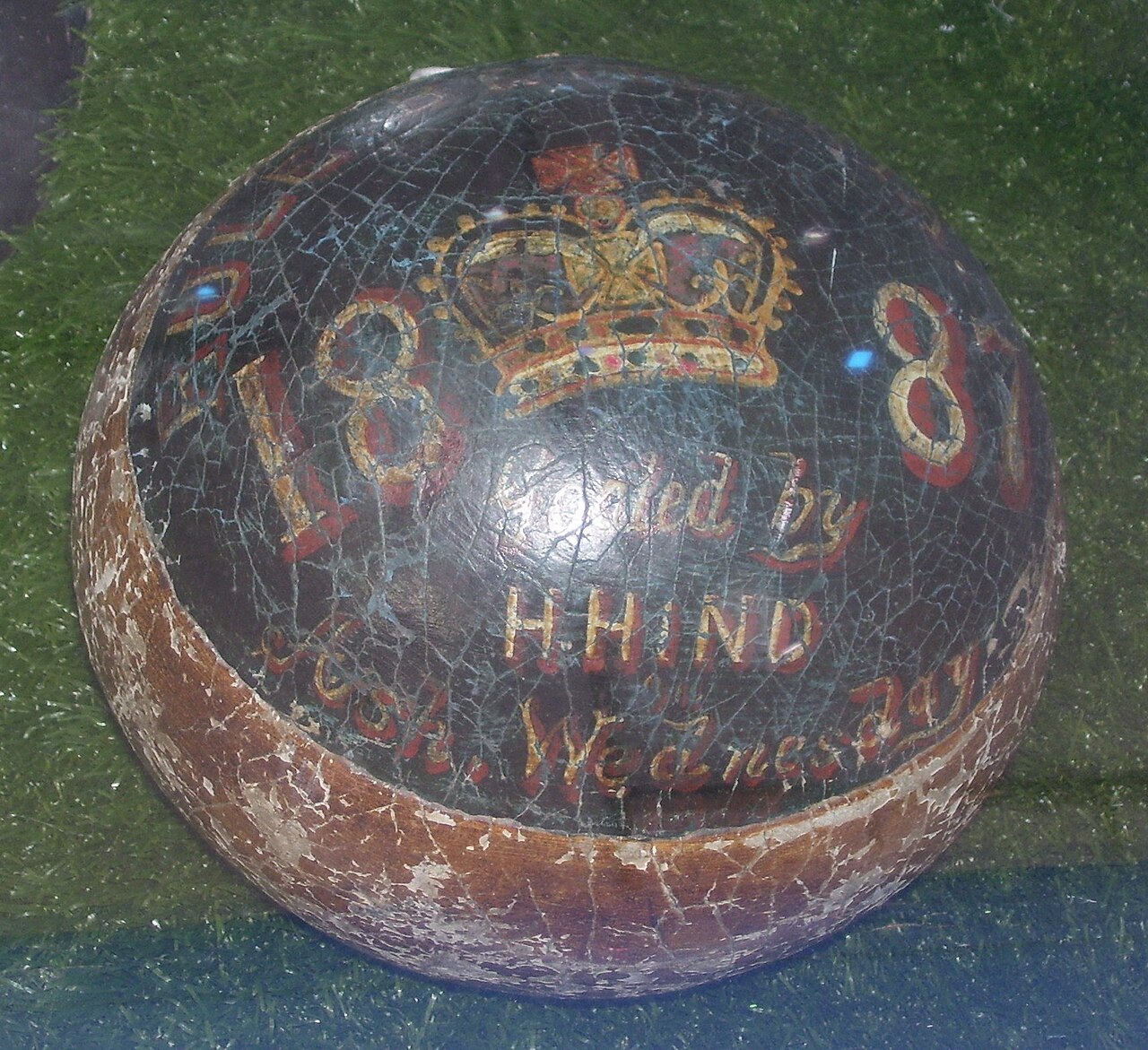
The Up'ards consist of those born north of the River Henmore, while the Down'ards claim those born south. This geographical split fosters a deep-seated, good-natured rivalry that fuels the annual contest. The "ball" itself is also unique: a hand-stitched, cork-filled leather sphere, robust enough to withstand hours of intense play, often hand-painted by local artists. Unlike a regular football, it’s designed for endurance, not precision passing.
The game's primary mode of play revolves around the "hug" – a dense, moving scrum of players pushing and pulling, trying to gain control of the ball. This is where the brute force meets the local knowledge; players work together in tight formations, often passing the ball hand-to-hand or moving it subtly with their feet within the mass. Spectators quickly learn that the play can shift direction without warning, a rolling torrent of humanity ebbing and flowing through Ashbourne's historic streets. It’s an immersive experience where onlookers can find themselves swept along in the action, making it clear why preparation is key for anyone venturing into the heart of the game.
A Tradition Rooted in History and Community Spirit
The origins of
Shrovetide Football are steeped in history, tracing back to at least the 17th century, with the earliest documented reference dating to 1683. It evolved from ancient medieval Shrovetide customs, marking the onset of Lent – a period traditionally associated with feasting and communal revelry before the lean days of fasting. While other communities marked these days with religious services or family pancake meals, Ashbourne embraced a far more physical, open-ended contest. This deep connection to pre-Lenten traditions gives the game its distinctive cultural weight, making it far more than just a sporting event; it's a living piece of heritage. To truly understand its profound significance, one must delve into its historical context, which you can explore further in our article:
Shrovetide Football: Ashbourne's Centuries-Old Pre-Lenten Ritual.
The "Royal" designation appended to the game comes from periods of royal patronage, most notably in 1928 when the then-Prince of Wales (later King Edward VIII) "turned up" the ball, and more recently with a ball gifted to Princess Mary. These royal connections highlight the game's long-standing cultural importance within England.
For the people of Ashbourne,
Royal Shrovetide Football is the very fabric of their community. It’s an annual pilgrimage that links present-day participants with generations past, affirming a shared local identity. It's a time when family loyalties and neighbourhood bonds are tested, strengthened, and celebrated. Local businesses prepare well in advance, boarding up windows and adjusting opening hours, knowing that for two days, their town transforms. The festival atmosphere is palpable, a unique blend of intense competition and joyous communal gathering, reflecting the enduring spirit of Ashbourne itself.
Navigating the Wild: Rules, Strategy, and Spectator Tips
Despite its seemingly chaotic nature,
Royal Shrovetide Football operates under a surprisingly clear, albeit minimal, set of rules, passed down informally through generations. The most critical prohibitions are against murder, manslaughter, and playing within churchyards or cemeteries – a testament to its raw physicality and respect for sacred spaces. Beyond these, the objective is simple: propel the ball towards your team’s goal, which is a stone mill wheel located three miles from the town centre. For the Up'ards, it’s Sturston Mill; for the Down'ards, Clifton Mill.
Scoring, known as "goaling," requires a team to strike the ball three times against their respective mill marker. The moment a goal is scored, play halts, and the triumphant scorer typically retains the ball as a prized, lifelong trophy, often passed down through their family. A new ball is then introduced, usually "turned up" by a guest of honour, allowing the opposing side to respond. The game begins each afternoon at 2 p.m. from a central plinth in Shaw Croft and continues for eight intense hours until 10 p.m., or earlier if a goal is scored.
**Practical Tips for Participants and Spectators:**
* **Footwear is paramount:** Whether you're in the hug or following the action, sturdy, waterproof boots are essential. You'll be on your feet for hours, traversing various terrains.
* **Dress for the elements:** February/March in Derbyshire can be cold, wet, or muddy. Layers and waterproofs are highly recommended.
* **Know your surroundings:** The game spills everywhere. Be aware of your position relative to the main scrum, especially if you're not actively participating. Roads are not closed; traffic may still be present (though heavily impacted).
* **Respect property:** Shops board up for a reason. Avoid leaning on or running into private property.
* **Embrace the unexpected:** The game is unpredictable. The ball can suddenly break free from the hug, or the entire mass can shift rapidly. Maintain a safe distance if you're not ready to be fully immersed.
* **Hydration and snacks:** With hours of potentially intense activity, staying fuelled is crucial.
* **Study the finer points:** For a deeper dive into the mechanics, strategies, and intricate unwritten rules, our detailed guide on
Royal Shrovetide Football: Rules, Teams, and Chaotic Gameplay offers invaluable insights.
The strategy often involves strong local knowledge – knowing the fastest routes, the hidden passages, and the terrain advantages. It’s a game of endurance, teamwork, and raw power, where individual brilliance is subsumed by collective effort.
Conclusion
Royal Shrovetide Football is more than just an annual event; it's a profound cultural institution that captures the untamed spirit of English tradition. It stands as a vibrant counterpoint to the meticulously structured sports of our modern era, offering a glimpse into a form of communal play that has endured for centuries. From the exhilarating roar of the hug to the deep-rooted pride of the Up'ards and Down'ards, this unique contest is a testament to the power of community, history, and the sheer joy of mass participation. For anyone seeking to experience England's truly wildest and most authentic folk tradition, Ashbourne on Shrove Tuesday and Ash Wednesday promises an unforgettable, exhilarating, and deeply moving spectacle.